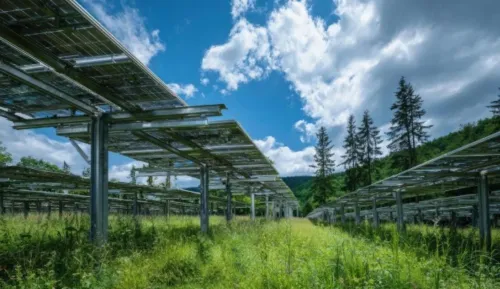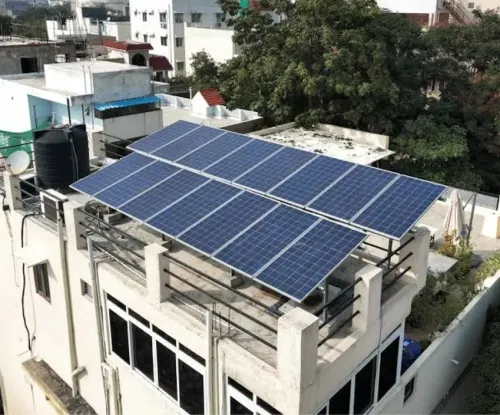
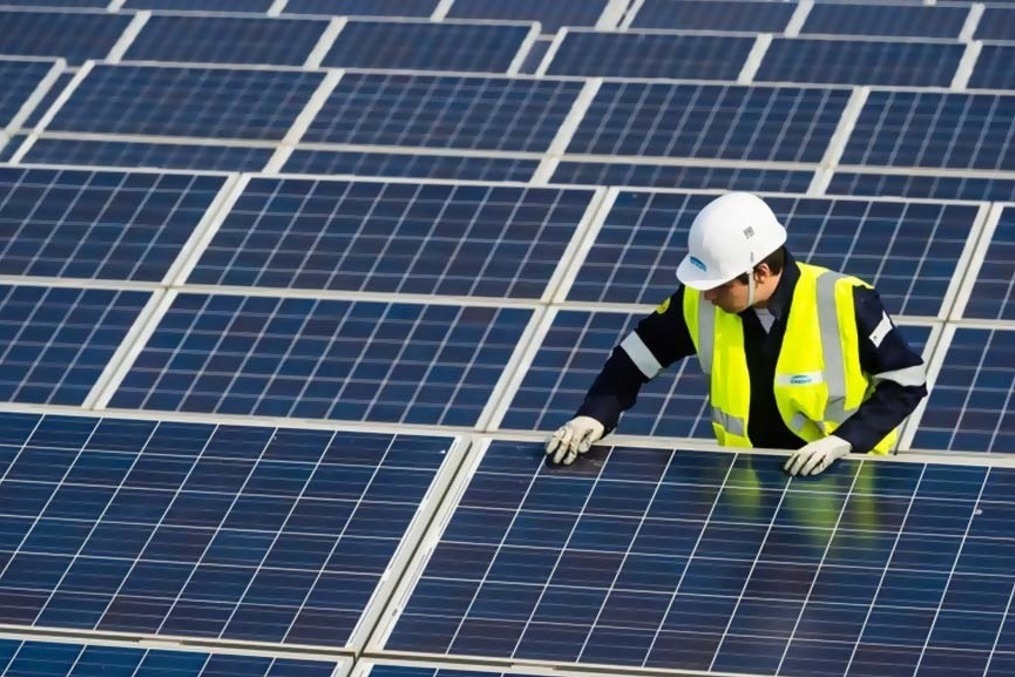
Manufacturing facilities often consume large amounts of electricity every day. Machinery, production lines, lighting systems, compressors, and other equipment contribute to substantial operating costs. As energy prices continue to rise, many industries are exploring Industrial Solar Installation as a practical solution for reducing long-term electricity expenses while improving operational efficiency.
For factory owners in Nashik, investing in industrial solar is not only an environmental decision but also a strategic business investment that can deliver savings for many years.
Why Industrial Solar Is Different
Industrial solar systems are designed to handle significantly higher electricity requirements than residential installations. These systems are customised based on the facility's power consumption, rooftop availability, and operational schedule.
Industrial solar projects are commonly used by:
- Manufacturing units
- Processing plants
- Engineering industries
- Warehouses
- Food processing facilities
- Textile industries
- Pharmaceutical companies
Each project requires detailed planning to achieve optimum performance.
Assess Your Energy Consumption
Before installing solar panels, businesses should understand how electricity is being used throughout the facility.
Important factors include:
- Monthly electricity consumption
- Peak demand periods
- Operating hours
- Future production expansion
- Seasonal power requirements
Analysing these details helps determine the most suitable system capacity.
Evaluate the Installation Site
Industrial buildings often provide large rooftop areas that are ideal for solar installations. However, several technical factors must be evaluated before installation.
Professionals inspect:
- Roof strength
- Available mounting space
- Structural design
- Shading from nearby structures
- Accessibility for maintenance
A detailed site survey ensures that the system is designed for maximum efficiency.
Choosing High-Quality Components
Industrial solar systems are expected to operate for decades, making equipment selection an important consideration.
Look for:
- High-performance solar panels
- Efficient inverters
- Durable mounting structures
- Certified protection systems
- Comprehensive warranty coverage
Reliable equipment contributes to better long-term performance and reduced maintenance costs.
Benefits Beyond Cost Savings
While lower electricity bills are a major advantage, industrial solar offers several additional benefits.
These include:
- Improved energy independence
- Better utilisation of factory rooftops
- Reduced carbon emissions
- Predictable long-term energy costs
- Enhanced sustainability initiatives
Many organisations also view solar adoption as part of their broader environmental responsibility goals.
Importance of Professional Project Execution
Industrial projects require detailed engineering, accurate system sizing, and strict adherence to safety standards. Working with an experienced Solar EPC Company helps ensure smooth project execution from planning through commissioning.
Professional project management reduces delays and improves overall system reliability.
Selecting the Right Solar Partner
Choosing an experienced installation company can significantly influence the long-term success of an industrial solar project.
SAIDATTA SERVICES supports industrial customers in Nashik by providing customised solar solutions, professional engineering, quality installation, and dependable technical support.
A carefully planned Industrial Solar Installation enables factories to reduce operating costs, improve energy efficiency, and build a more sustainable future. With proper design and quality execution, industrial solar systems continue delivering value for decades while supporting uninterrupted business operations.