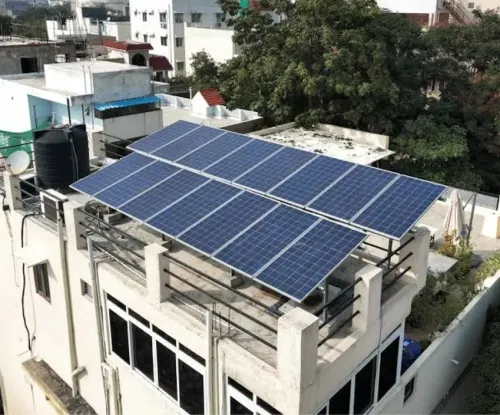
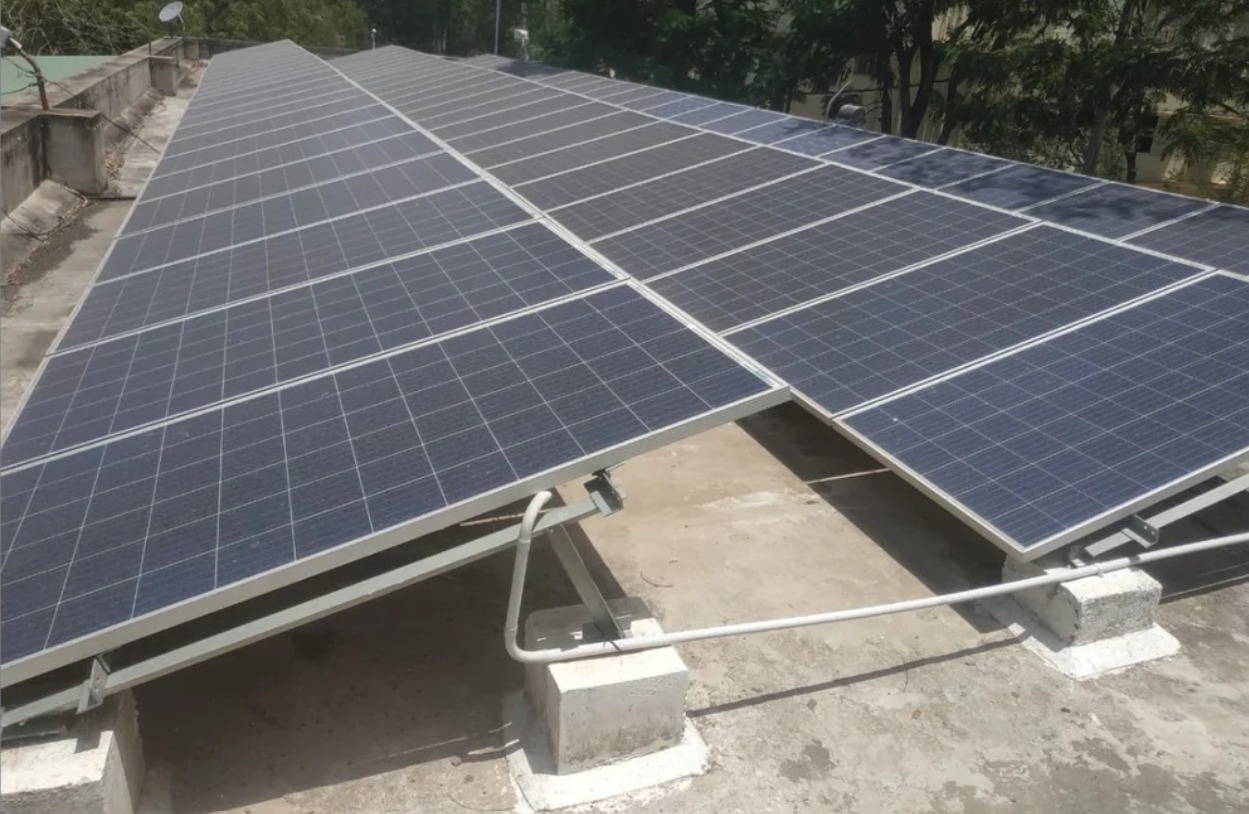
As more homeowners look for ways to reduce electricity expenses and embrace clean energy, Rooftop Solar Panel Installation has become an increasingly practical solution. Rooftop systems allow unused roof space to generate electricity throughout the day, making them suitable for residential, commercial, and institutional properties.
Before installing a rooftop solar system, understanding the planning process can help you make better decisions and maximise the return on your investment.
How Rooftop Solar Systems Work
Solar panels capture sunlight and convert it into direct current (DC) electricity. An inverter then converts this into alternating current (AC), which powers household appliances and electrical equipment.
Any electricity generated during daylight hours can reduce your dependence on grid power, helping lower monthly electricity bills.
Is Your Roof Suitable?
Not every rooftop offers the same performance. Before installation, professionals evaluate several factors to determine system feasibility.
Important considerations include:
- Roof size and usable area
- Structural strength
- Direction of the roof
- Daily sunlight availability
- Presence of nearby trees or buildings that create shade
A detailed site survey ensures the solar system is designed according to the property's specific conditions.
Benefits of Rooftop Solar Installation
Installing solar panels on your roof offers several long-term advantages:
- Lower electricity expenses
- Better utilisation of unused rooftop space
- Reduced environmental impact
- Increased property value
- Long operational life with minimal maintenance
For many households, these benefits continue for more than two decades with proper care.
Planning the Right System Capacity
Every property has unique electricity consumption patterns. Choosing an oversized or undersized system can affect overall value.
During planning, professionals generally review:
- Monthly electricity usage
- Number of electrical appliances
- Future energy requirements
- Available installation area
Accurate sizing helps achieve better system efficiency and cost effectiveness.
Why Installation Quality Matters
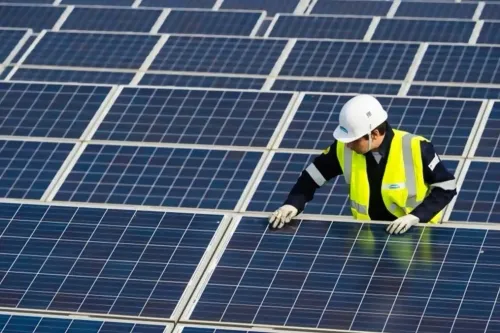
The quality of installation directly affects the performance of a rooftop solar system. Proper mounting structures, secure electrical connections, and correct panel positioning all contribute to higher energy generation.
Professional installers also follow safety standards that protect both the property and the equipment.
Maintenance Requirements
One of the biggest advantages of rooftop solar systems is their relatively low maintenance. To keep the system performing efficiently:
- Clean panels periodically
- Remove dust and debris
- Inspect wiring during routine servicing
- Monitor energy generation regularly
Simple maintenance practices help maintain optimum performance throughout the system's lifespan.
Choosing an Experienced Installation Partner
Selecting a company with experience in Rooftop Solar Panel Installation helps reduce project delays and improves installation quality. Look for providers that offer technical guidance, site inspection, quality equipment, and dependable after-sales support.
For customers in Nashik, SAIDATTA SERVICES offers complete rooftop solar solutions that include system assessment, installation planning, and customer support tailored to individual energy requirements.
A well-planned rooftop solar system is more than just an energy upgrade. It is a long-term investment that supports lower electricity costs, greater energy efficiency, and sustainable living. By understanding the installation process and choosing quality products, homeowners can enjoy reliable solar power for many years.