A Solar Power Plant Installation in Nashik involves a series of technical and operational stages that businesses should understand before approving a project. Commercial solar is not simply an equipment purchase. It includes feasibility analysis, site design, equipment selection, installation, electrical integration, testing and ongoing monitoring.
Understanding each stage makes it easier for business owners, facility managers and procurement teams to compare proposals and identify whether important requirements have been addressed.
The process normally begins with an energy assessment.
Electricity bills provide useful information about monthly consumption, but commercial projects should also consider how electricity usage varies throughout the day. Factories and offices with strong daytime consumption may have different system requirements from facilities operating mainly at night.
The next stage is site assessment.
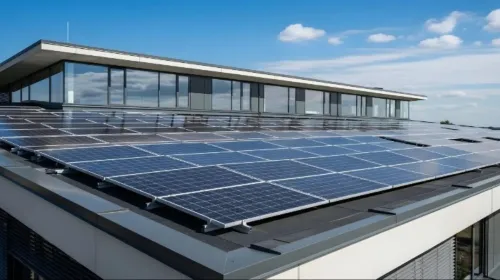
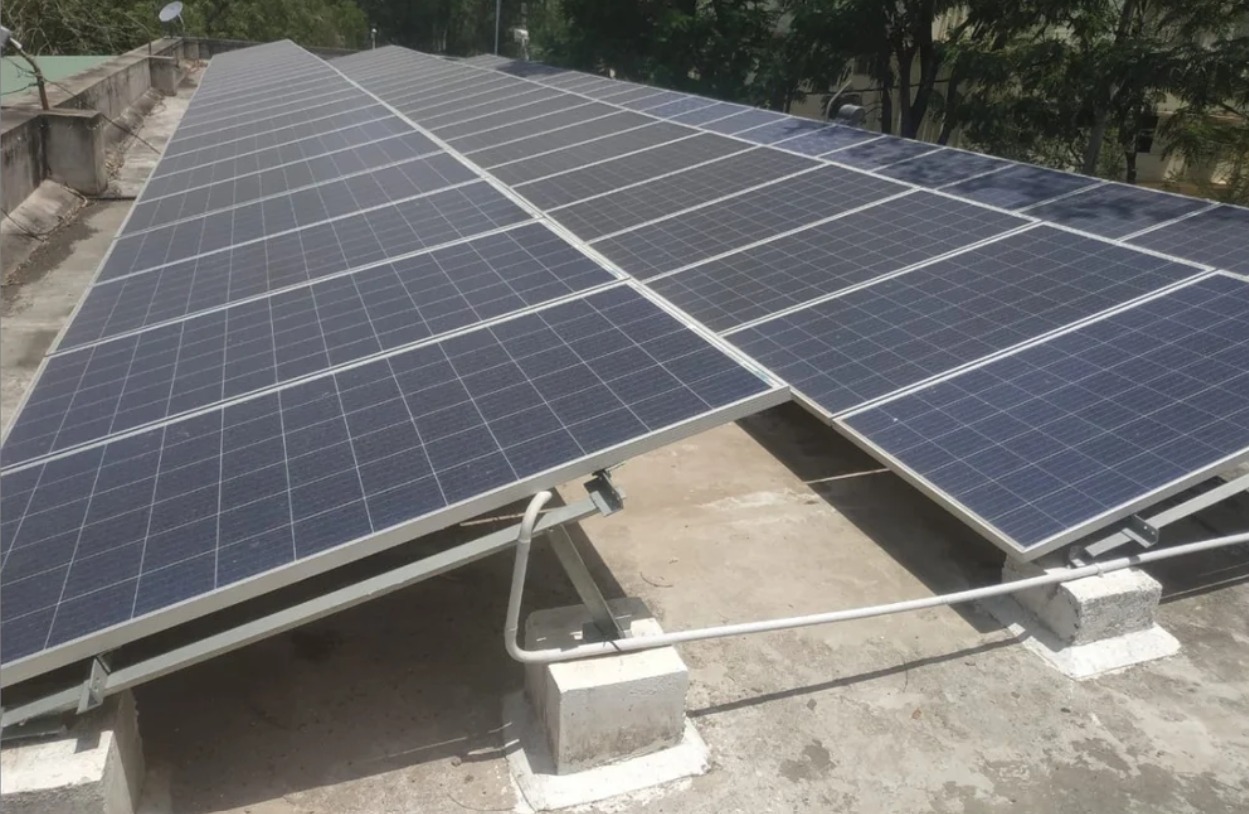
For rooftop projects, the provider should inspect roof condition, orientation, shading and usable space. Existing equipment such as water tanks, exhaust systems, HVAC equipment or skylights can influence panel placement.
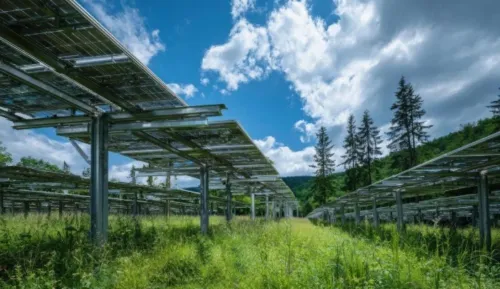
Ground-mounted systems require assessment of land availability, terrain, access and electrical connection distances.
Once the site has been reviewed, system design can begin.
The design normally considers:
- Proposed solar capacity
- Module layout
- Inverter configuration
- Mounting structure
- DC and AC cable routes
- Protection systems
- Earthing
- Monitoring
- Electrical connection points
- Maintenance access
These decisions should be made together because each element affects the overall system.
Equipment procurement follows the approved design.
Solar panels are an important part of the plant, but businesses should also pay attention to inverters, mounting structures, cables and protection components. The reliability of the plant depends on how these elements are specified and installed.
Construction planning is especially important for operating businesses.
Factories in Nashik may need solar installation work to proceed while production continues. Warehouses may need loading areas and internal movement routes to remain accessible.
A good execution plan identifies which activities can take place during normal operations and which electrical tasks may require planned shutdowns.
Testing and commissioning should take place before the system is considered ready for regular operation.
Relevant checks help confirm that equipment has been installed according to the intended design and that electrical connections are functioning correctly.
The project should not end at commissioning.
Businesses should establish a basic maintenance and monitoring routine. Depending on site conditions, panels may need periodic cleaning. Electrical components should remain accessible for inspection, and generation data should be reviewed for unusual patterns.
Documentation also matters.
Commercial customers should retain equipment specifications, warranty information, system drawings, commissioning records and maintenance details. These records can be valuable if technical support is needed later or responsibility for the facility changes.
SAIDATTA SERVICES can be considered by businesses in Nashik evaluating solar power plant installation for commercial or industrial properties. As with any provider, the quality of the proposal should be judged on the completeness of engineering, equipment specifications and installation planning.
For Maharashtra businesses, one of the most important questions is whether the proposed system has been designed specifically for the facility.
A standardized capacity recommendation may not account for roof conditions, operating hours or existing electrical infrastructure.
The strongest solar plant projects therefore begin with assessment rather than equipment selection.
By understanding each stage from feasibility through commissioning, Nashik businesses can evaluate solar proposals more effectively and make decisions based on technical suitability, operational practicality and long-term maintainability.